Student visa: study in Europe or Canada
From finding a programme to getting the visa, we build a consistent file with you: a credible study plan, solid admissions and proven funding, which is what consulates look at first.
- 9 destinationsEurope and Canada
- 12 monthsbefore the intake, ideally
- Admission and visaone contact person

What we do for you
A student visa is decided long before the consulate appointment. The consistency between your background, the chosen programme and your career plan weighs as much as the documents in the file.
Guidance and choice of programmes
We start from your results, budget and plans to target accessible programmes in the right countries.
- Review of transcripts and diplomas
- Shortlist of schools and programmes
- Application calendar
Applications and admission
We prepare each application with you and follow up the schools’ responses.
- Cover letters and CV
- Campus France, uni-assist or equivalent files
- Interview preparation
Visa file
Once you are admitted, we build the visa file and prepare you for the appointment.
- Proof of funds and guarantor documents
- Checking every document
- Consulate appointment and interview
Depending on your destination
The main steps vary from one country to another. Here are the essentials; each destination has its own page with the calendar, official fees, proof of funds and scholarships open to Cameroonians.

France
Application through Campus France Cameroon’s “Études en France” procedure, an academic interview, then a long-stay student visa application at the consulate.
Dates, fees and scholarships →
Canada
An acceptance letter from a designated learning institution, a provincial or territorial attestation where required (the CAQ for Quebec), proof of funds, then a study permit application and biometrics.
Dates, fees and scholarships →
Germany
Admission, often through uni-assist, proof of funds through a blocked account, a language certificate depending on the programme (German or English), then a visa application at the embassy.
Dates, fees and scholarships →
Belgium
Enrolment or admission at a school, diploma equivalence for some programmes, support from a guarantor or a scholarship, then a student visa.
Dates, fees and scholarships →
Switzerland
Admission, payment of study fees, then a national visa filed at the Swiss Embassy in Yaoundé, at least 3 months before classes, with the canton’s approval.
Dates, fees and scholarships →
Luxembourg
Admission to the University of Luxembourg or a recognised school, proof of funds, then a direct D visa application (new procedure since 1 October 2026), filed at TLScontact in Yaoundé.
Dates, fees and scholarships →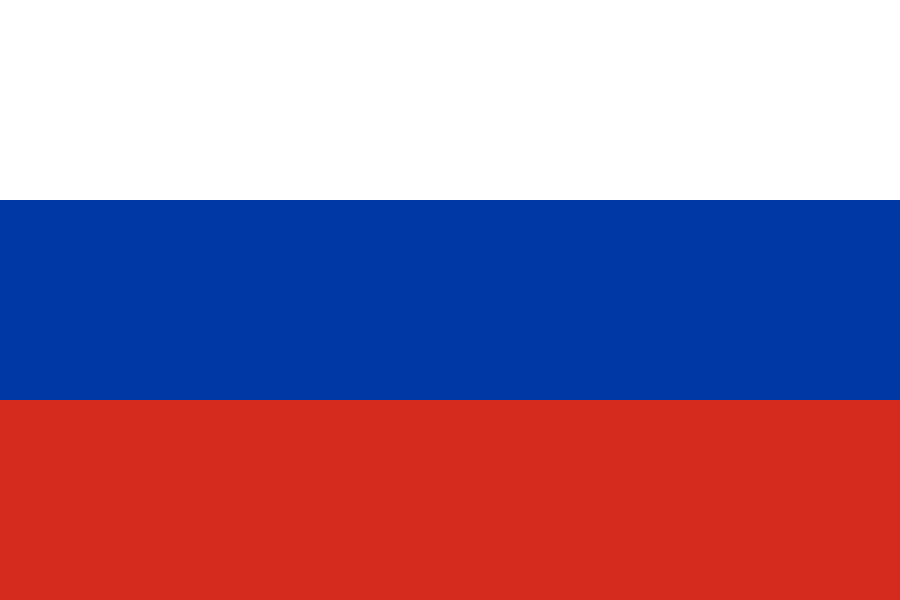
Russia
Admission and an official invitation from the university, then a student visa. Many programmes start with a preparatory year of Russian.
Dates, fees and scholarships →The steps, from the call to departure
Ideally allow twelve months between our first call and your intake. Application calendars open early, especially for France and Canada.
Diagnostic call
Your background, grades, budget and timeline: we assess what is realistic.
Choosing programmes
A targeted list of schools and programmes, with deadlines.
Applications
Files, cover letters, interviews: we follow every application.
Admission and funding
Accepting the offer, proof of funds, guarantor or blocked account depending on the country.
Visa
Building the file, appointment, preparation for the consulate interview.
Departure
Housing, ticket, insurance and the steps to plan for on arrival.
Documents to prepare
Start gathering these documents now: some, like certified transcripts or translations, take several weeks.
Indicative list: the exact list depends on your situation and destination. We give you the complete list after the diagnostic call.
Your questions
More questions? See the frequently asked questions or ask them during the call.
When should I start?
Ideally a year before your target intake. For France, the Études en France procedure opens in the autumn for the following intake; for Canada, some admissions close as early as winter. Starting late mostly costs you choice.
My academic record is average. Is that a problem?
Not necessarily. Your choice of programmes must then be more strategic, and the consistency of your plan becomes decisive. We tell you honestly what is within reach.
Do I need to speak the country’s language?
It depends on the programme. Many programmes in Germany or Switzerland are taught in English; others require a certificate in the local language. We check the requirements of every programme you target.
Who can be my guarantor?
Usually a relative with a regular, provable income. Requirements vary by country; otherwise, we look at deposit or blocked-account solutions with you.